For nearly two decades, Ted Kaczynski, known as the Unabomber, remained one of the most elusive criminals in the United States. His attacks were unpredictable, his methods crude yet effective, and his identity a mystery that baffled investigators.
The breakthrough did not come from forensic evidence or surveillance, but from something far more unexpected: his own writing.
The case began in 1978, when a homemade bomb was sent to a university. Over the next 18 years, a series of attacks targeted academics, airlines, and individuals linked to modern industry. The pattern was unclear, and the materials used were ordinary, making it difficult for investigators to trace their source.
The FBI named the case UNABOM, reflecting the early targets of universities and airlines. Despite thousands of leads and a growing task force, the suspect remained unidentified for years.
Everything changed in 1995, when Kaczynski sent a 35,000-word manifesto titled Industrial Society and Its Future to major newspapers. In it, he argued that modern technology was eroding human freedom and called for a radical restructuring of society. He offered to stop the violence if the document was published.
After intense debate, newspapers agreed to publish the manifesto on the advice of investigators, who believed that someone might recognise the writing style. That decision proved critical.
The key insight came from Linda Patrik, who noticed striking similarities between the manifesto and the beliefs of her brother-in-law. She raised her concerns with her husband, David Kaczynski, who was initially in disbelief.
However, after reading the manifesto himself, David began to see disturbing parallels. Faced with a moral dilemma, he ultimately chose to alert authorities, fearing that silence could lead to more deaths.
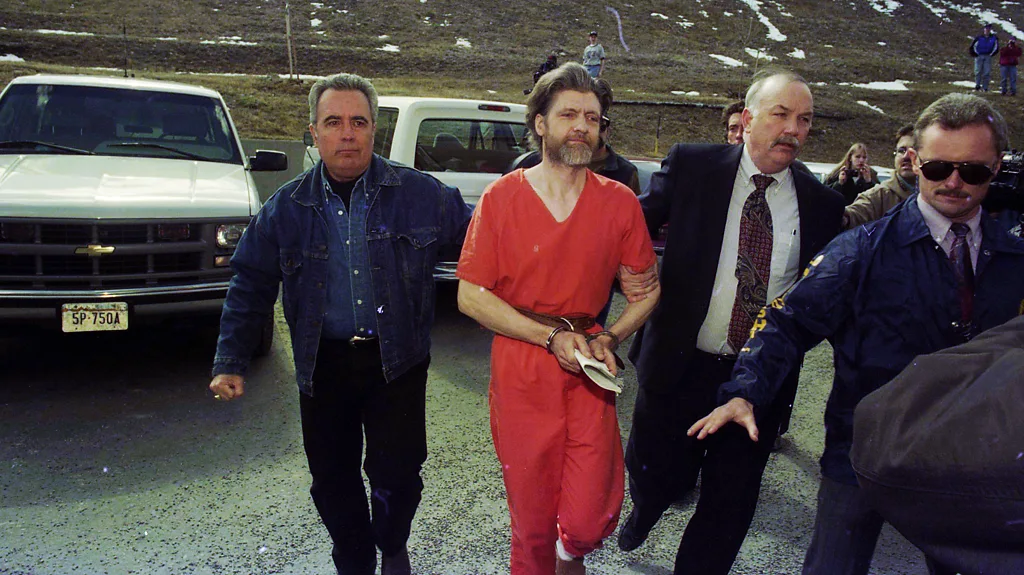
This tip gave investigators the direction they needed. A search warrant led them to a remote cabin in Montana, where Kaczynski had been living in isolation. Inside, they found overwhelming evidence, including bomb components, detailed journals, and a live device ready to be used.
Kaczynski’s background added another layer to the story. Once a mathematics prodigy with degrees from Harvard and the University of Michigan, he had abandoned academia and retreated from society. His intelligence, which once promised a brilliant career, became entangled with a radical worldview that justified violence.
In 1996, he was arrested and later sentenced to life imprisonment without parole. Decades later, the case remains one of the most striking examples of how language and identity can intersect in criminal investigations.
In the end, it was not just evidence but ego that led to his capture. By insisting his ideas be heard, Kaczynski revealed the very clues that exposed him, bringing an end to one of the longest manhunts in modern history.