Boredom has a bad reputation. We treat it as a small suffering to be relieved as quickly as possible, and an entire industry now exists to relieve it — instantly, endlessly, from a device that never leaves our hands. It is worth asking what we have lost.
Attention looking for somewhere to go
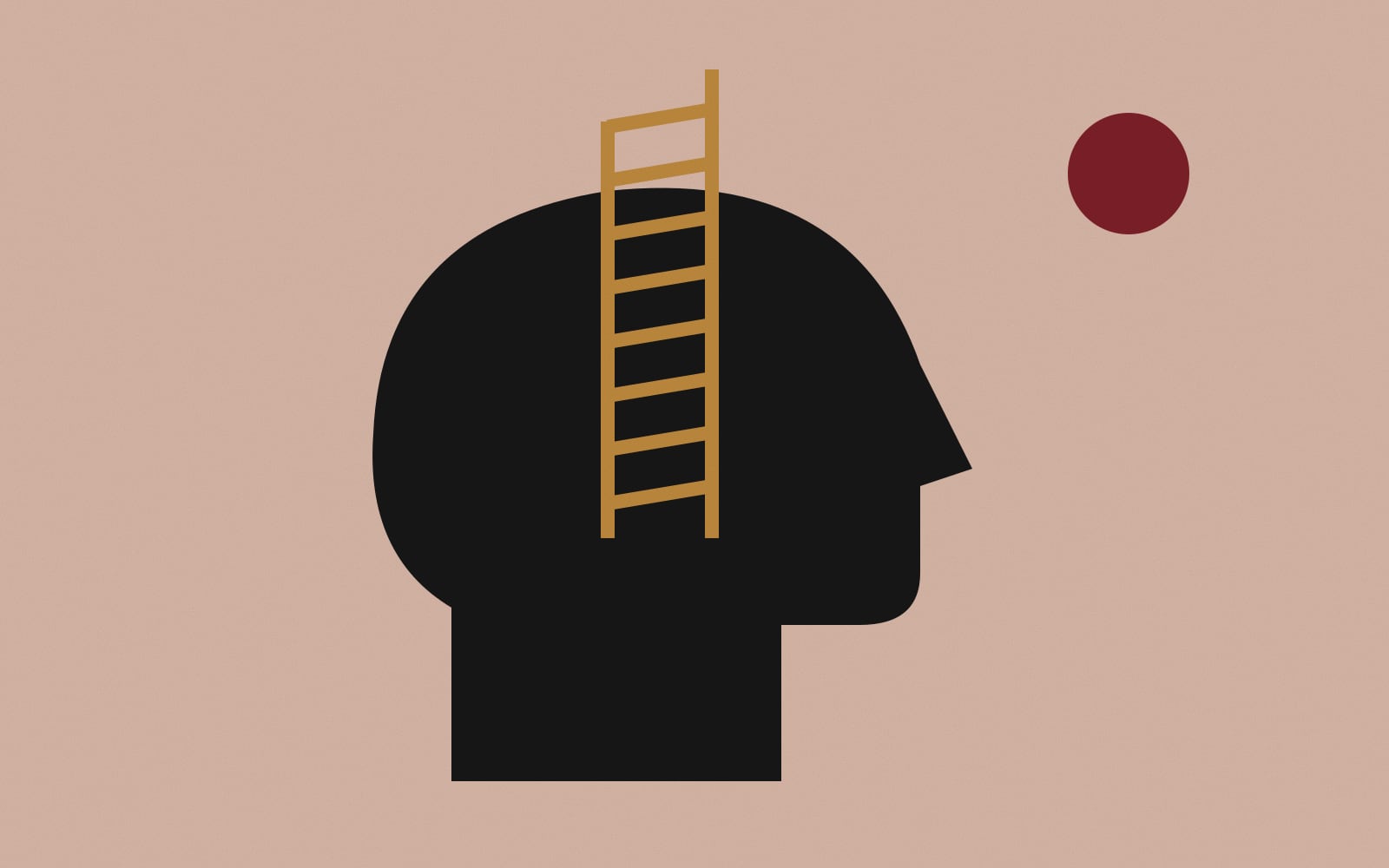
Boredom is not the absence of thought. It is the feeling of attention with nowhere to go — a restlessness that pushes the mind to look for something worth doing. For most of history that restlessness had to be resolved from within: by daydreaming, planning, noticing, making something.
Psychologists who study the state describe it less as emptiness than as a signal. It tells us that what we are doing is not meeting our need for meaning or challenge. Like hunger, it is unpleasant precisely so that we will act on it.
Relief without resolution
The problem with endless distraction is that it relieves the signal without answering it. The restlessness is soothed, but nothing is made, decided or imagined. We end the day entertained and oddly dissatisfied, having spent our attention without investing it.
Making room
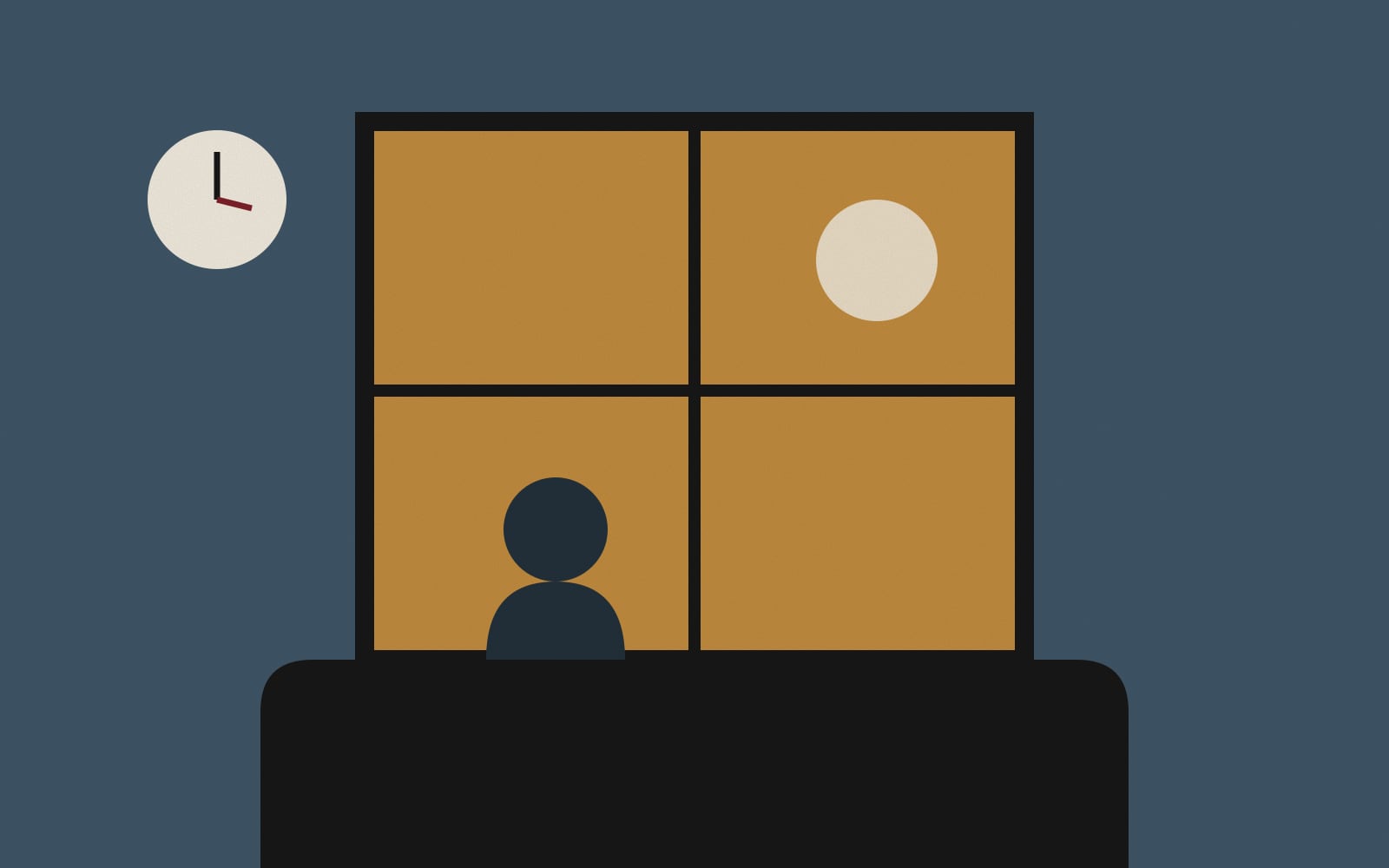
Defending boredom does not mean romanticising tedium. It means allowing small stretches of unfilled time — a walk without headphones, a queue without a screen — in which the mind is left alone long enough to wander somewhere of its own choosing. Many people find, a little to their surprise, that it does.