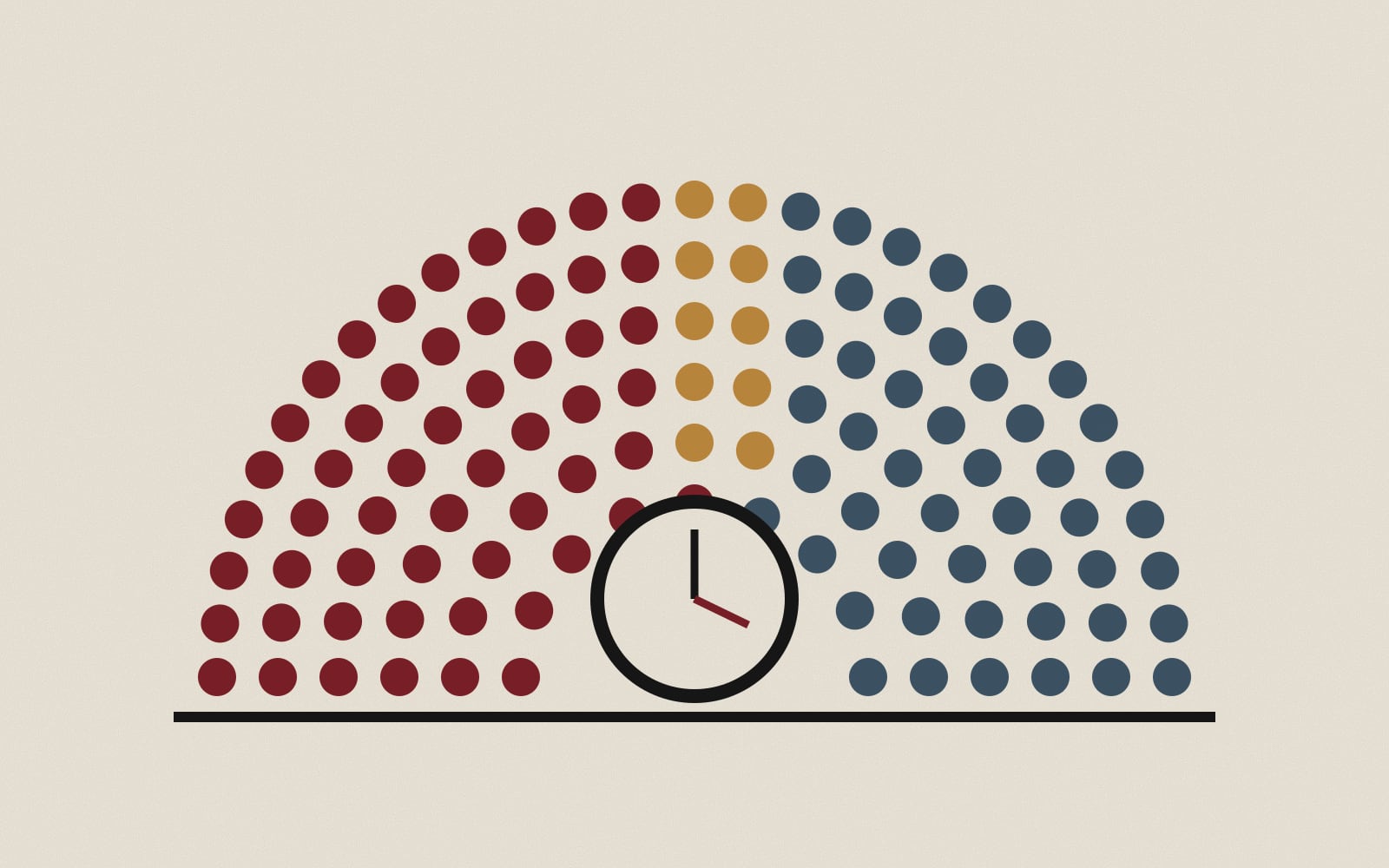
Watch any legislature on a big day and you will see politics at its most theatrical: the packed benches, the rehearsed interruptions, the clip that will travel further than the debate itself. Watch the same chamber on an ordinary afternoon and you will often see something sadder — rows of empty seats, a bill passing with barely a question asked.
Both scenes have the same cause. Parliaments are not given enough time to do their real job, so they spend what time they have performing.
Scrutiny is boring. That is the point
Good law is made in committee rooms, in clause-by-clause examination, in the patient questioning of officials who would rather not be asked. None of it makes good television. All of it requires days, not hours. When sessions are short and the calendar is crowded, the first thing to be squeezed out is precisely this unglamorous work.
The consequences are not abstract. Hastily passed legislation returns to the courts, to the statute book for amendment, and to the lives of the people it governs badly. Every hour saved in the chamber is repaid many times over elsewhere.
A modest proposal
Legislatures should sit for more days each year, with protected time for committees that governments cannot cancel. Major bills should have a minimum period between introduction and final vote. And members should be judged — by voters, by the press, by their own parties — on the quality of their questions rather than the volume of their outrage.
None of this would make politics more exciting. That is rather the idea.