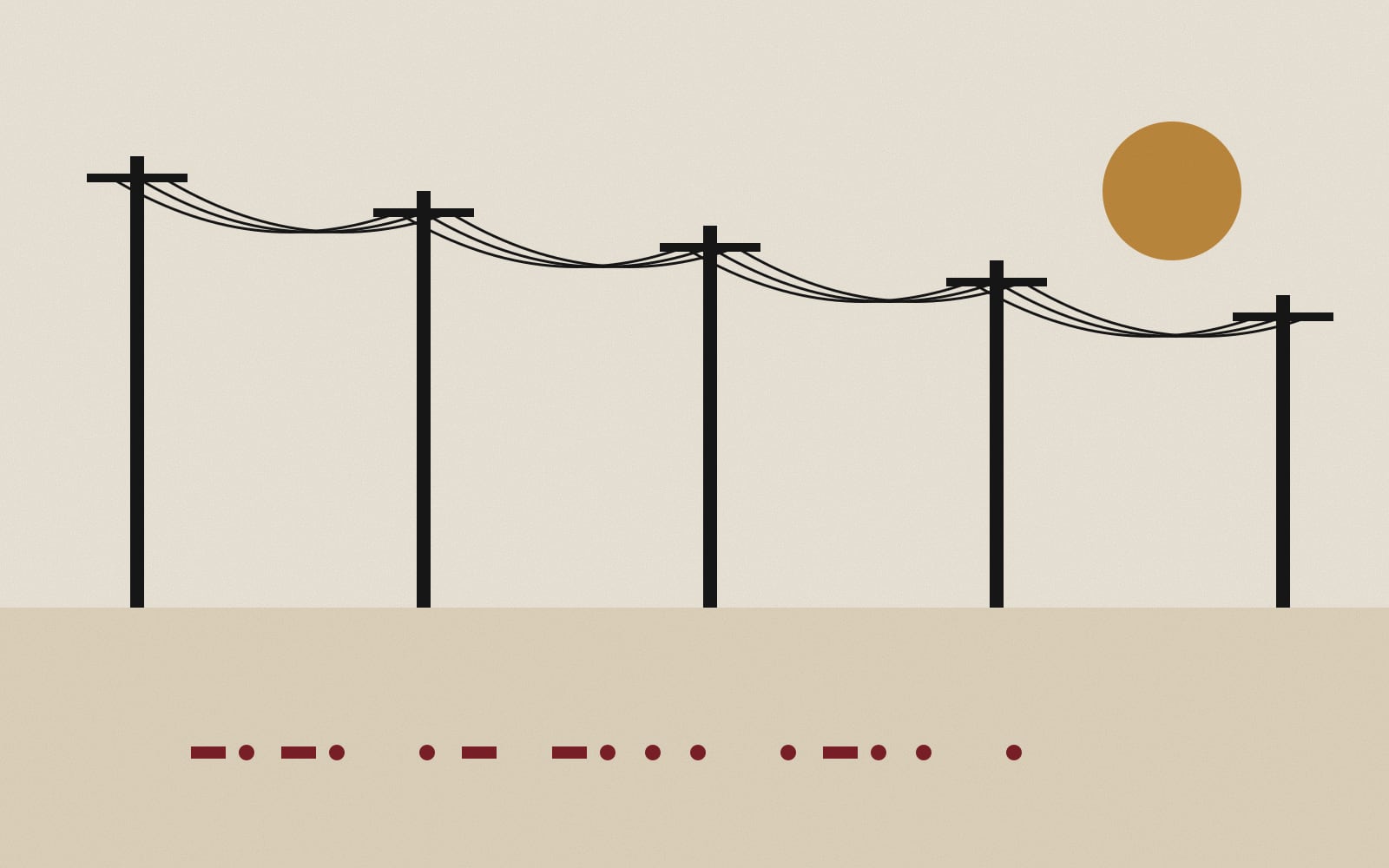
Histories of empire tend to be crowded with grand figures: viceroys, governors, generals and the occasional rebel. Far fewer remember the telegraph clerk. Yet from the middle of the nineteenth century, it was the clerk — sitting in a small office, receiving and transmitting messages one character at a time — who made distant rule possible.
Distance collapses
Before the telegraph, a message from a colonial capital to the imperial centre might take weeks or months by sea. Local administrators had to act on their own judgement, and by the time instructions arrived the situation they addressed had often changed. Once submarine cables linked continents in the late nineteenth century, a question could be asked and answered within days, sometimes hours.
Power moves to the centre
The effect was not simply faster communication. It was a shift in where decisions were made. Officials on the spot lost discretion; ministries far away gained it. Markets, newspapers and armies reorganised themselves around the speed of the wire.
The people at the keys
Behind all this stood a workforce of operators, linemen and clerks, many of them locally recruited, who learned the codes, kept the lines repaired and knew — often before anyone else — what was happening. Their work was routine and their names are mostly lost. But the empire they connected could not have been governed without them, and the information age that followed began, in a real sense, in their small rooms.